Sandalwood: why the name needs evidence
“Sandalwood” can describe materially different products, and color, grain, weight, or aroma in a photograph cannot establish the species. A responsible listing should connect the name to supplier documentation and a checked physical sample, then state only what that evidence supports.
Variation can be expected in genuine natural material, but variation alone proves nothing. Before release, the corresponding SKU should be checked for bead dimensions, finish, cord, quantity, care needs, current stock, and item-specific photography.
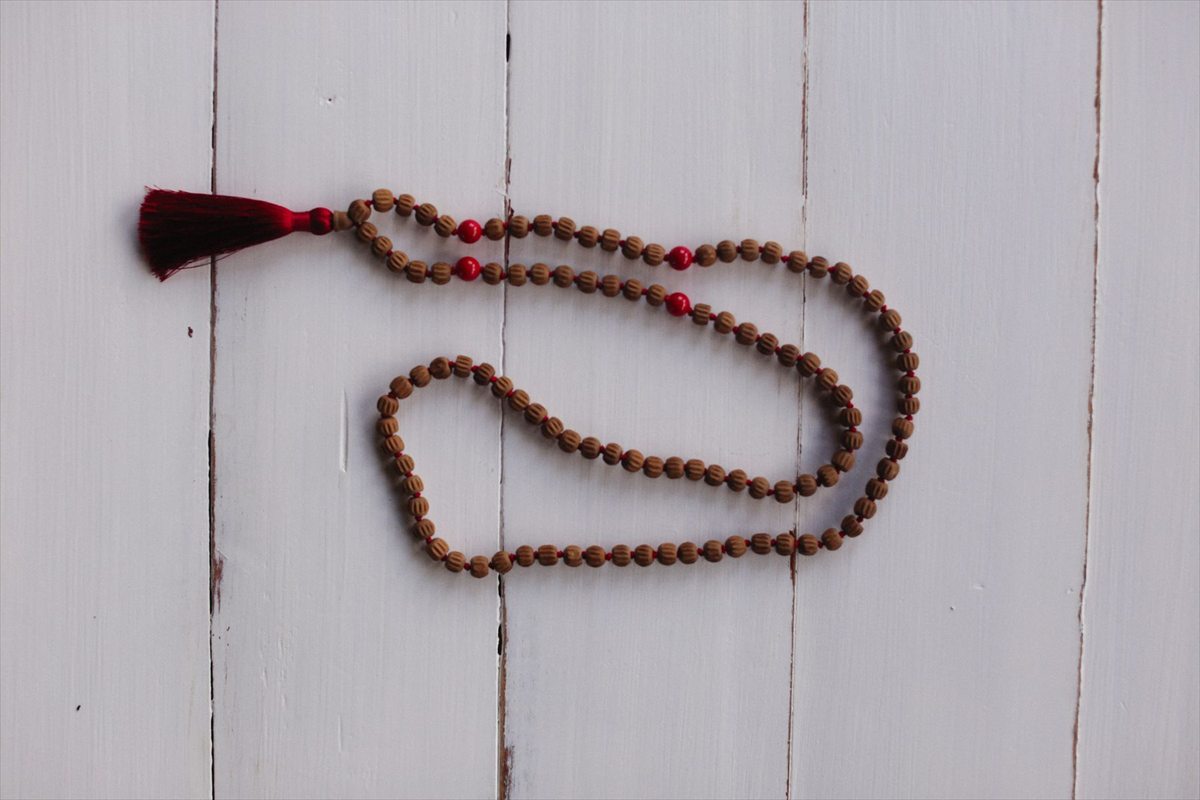
The image above is an editorial composition of beads. It is not presented as proof that those beads are sandalwood.
A practical guide to enjoying incense at home
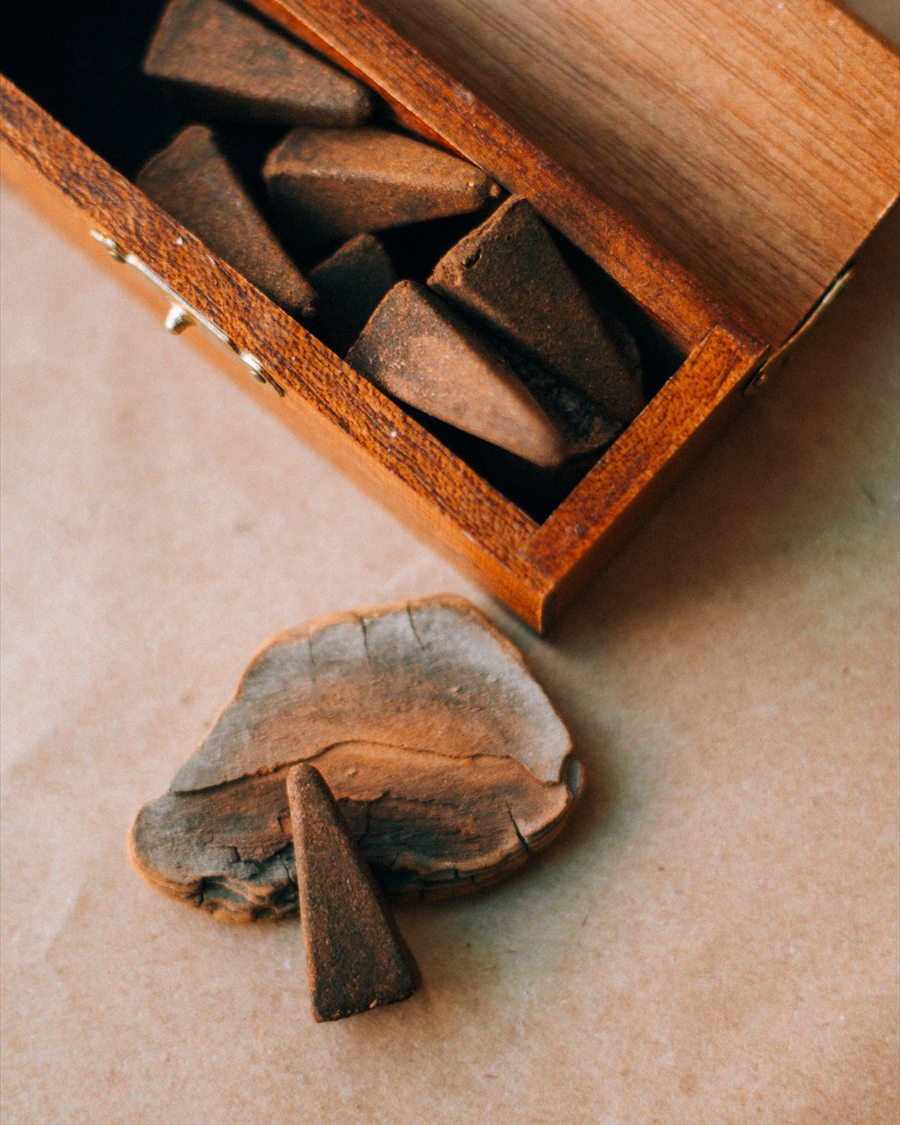
Begin with a stable holder made for the incense format you are using. Place it on a heat-resistant, uncluttered surface away from curtains, paper, drafts, children, and pets. Ventilate the space and follow the item-specific instructions.
Light only when you can remain present. Never leave burning incense unattended, and extinguish it fully before sleeping or leaving the room. Stop use if smoke or fragrance causes discomfort. Incense is not a medical or therapeutic product.
How to care for natural bead bracelets
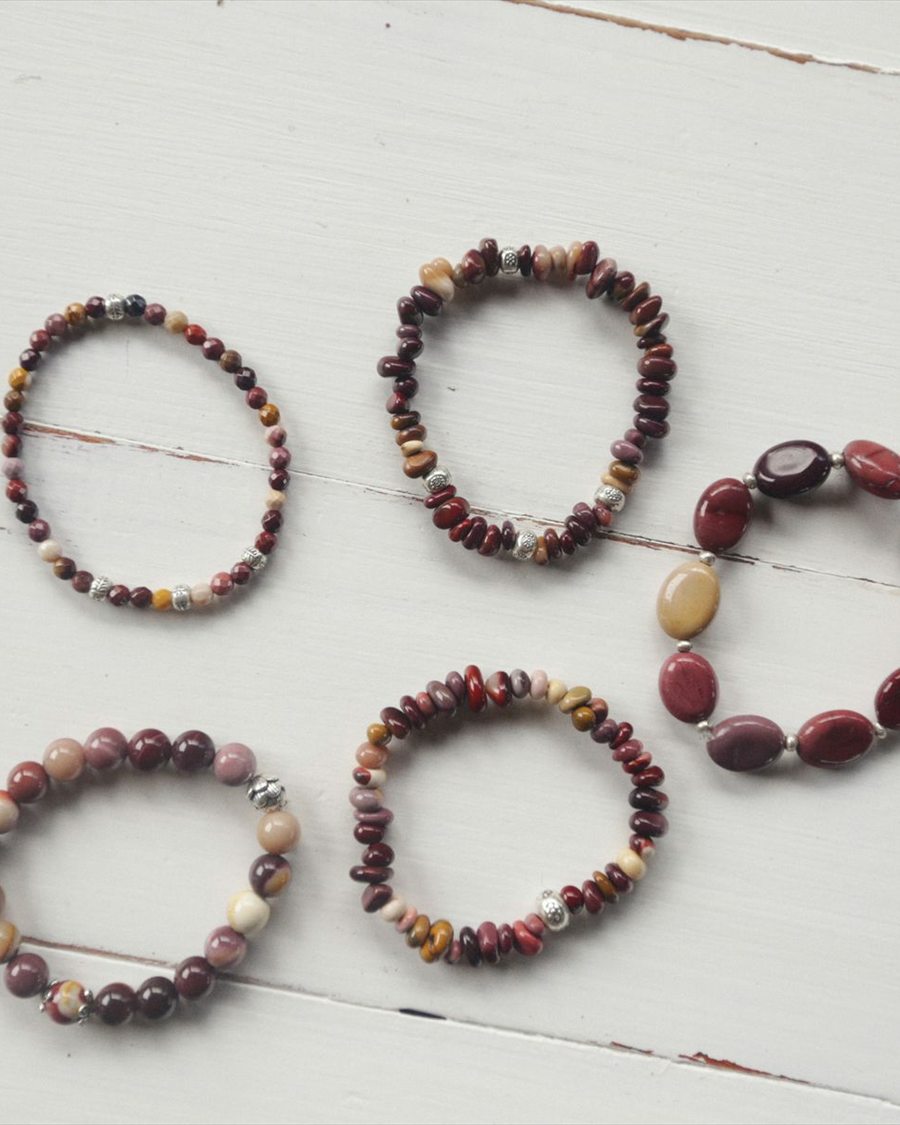
Use clean, dry hands and avoid prolonged contact with water, perfume, creams, household cleaners, and strong heat unless the product page says otherwise. Remove a bracelet before bathing, swimming, exercise, or work that may pull the cord or strike the beads.
Wipe gently with a soft dry cloth and store the piece separately to reduce abrasion. Do not soak, oil, polish, or apply fragrance without verified material-specific guidance. Inspect the cord and findings periodically and stop wearing the piece if a component loosens.